Sarah, a freelance graphic designer, had just finished a deadline at 2 a.m. She tossed her laptop aside, grabbed her phone, and scrolled through her app store. The first game that caught her eye was a casual puzzle that promised “15 minutes of pure fun.” Within a minute, she was solving levels, collecting coins, and feeling a rush of satisfaction that had nothing to do with deadlines.
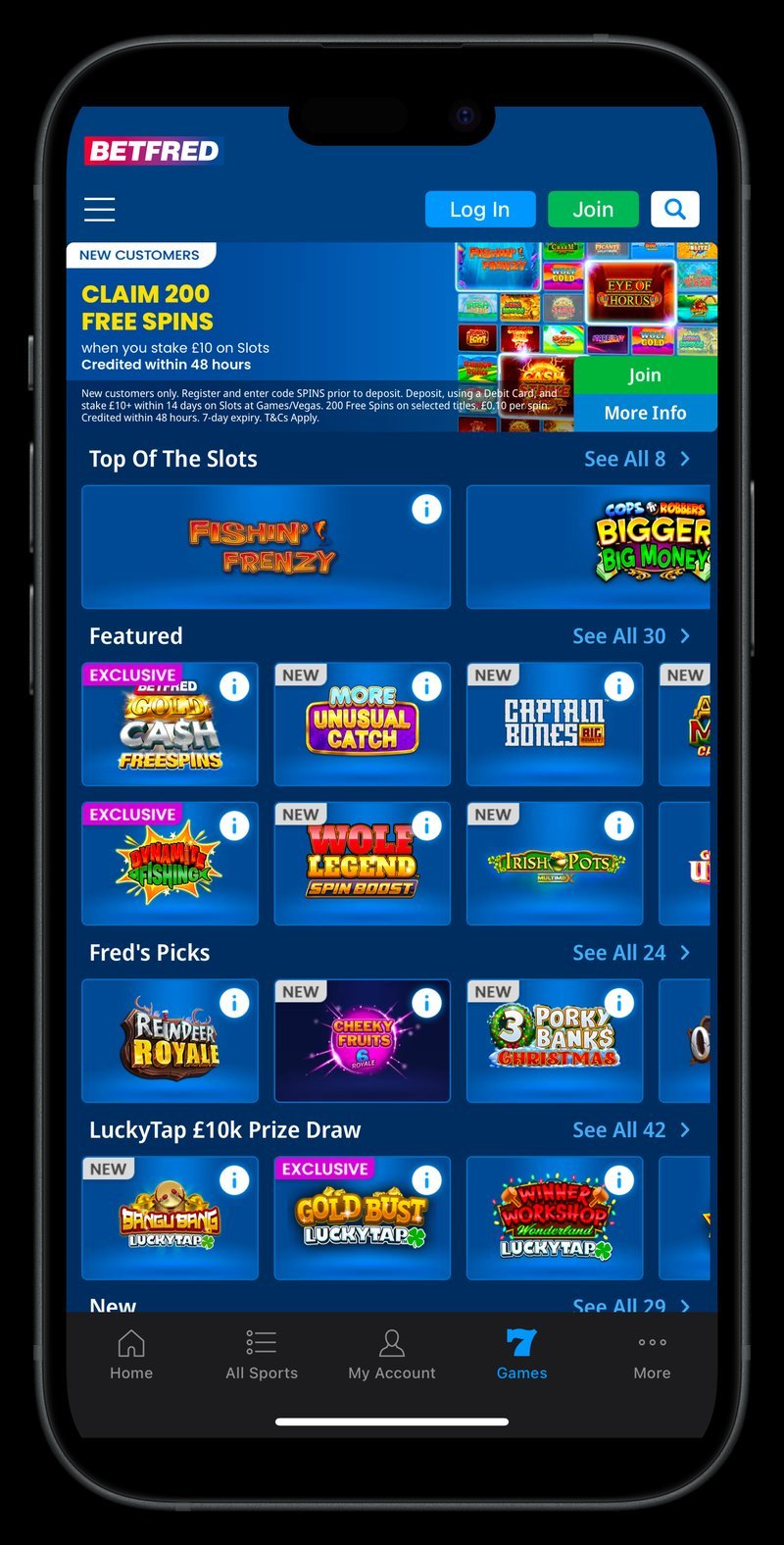
Micro‑Session Design: A Game‑Changer for Late‑Night Play
Modern mobile games are engineered around micro‑sessions that last between 2 and 5 minutes. This length fits neatly into the gaps between late‑night coffee breaks, commute commutes, or the stretch of time before dawn. Developers use data analytics to keep sessions short yet addictive, adjusting difficulty curves so that each new level feels fresh without requiring a long commitment.
For example, a popular match‑three title delivers a new challenge every 90 seconds. The game’s AI calibrates the number of obstacles based on player performance, ensuring that even a 3‑minute burst can feel rewarding. This approach keeps the player engaged without draining the battery or the brain.
Social Connectivity: Turning Solo Hours into Group Events
Late‑night gaming often happens alone, but social features have turned it into a communal experience. Many apps now support real‑time leaderboards, friend challenges, and even voice chat overlays. In one study, players who joined a friend’s leaderboard saw a 30 % increase in session length compared to solo play.
These social hooks create a sense of belonging that can be especially comforting after a long day. They also encourage competition, which keeps players coming back for the next 15‑minute showdown.
Monetisation Models That Fit the Night Shift
Free‑to‑play titles dominate the market, but they rely on in‑app purchases that respect the user’s budget. Instead of one‑time costs, many apps offer micro‑transactions for cosmetic items or temporary boosts. A recent survey found that 58 % of late‑night players are willing to spend on items that enhance gameplay, but only if the price is below £5.
Subscriptions are another trend, offering a bundle of perks such as ad removal, exclusive skins, and weekly loot boxes. The key is transparency: players need to know exactly what they’re paying for, and the value should be evident within the first few minutes of play.
If you’re looking to take that same excitement into a casino setting, Spinboss lets you spin and win right from your phone.
From Passive Browsing to Active Engagement
Where once people might have idly flipped through social media, the new generation prefers interactive experiences. A 2023 report highlighted that mobile gaming accounts for 42 % of late‑night screen time among 18‑to‑34‑year‑olds. This shift is driven by the immediacy of gameplay and the ability to control the pace—pause, resume, or switch games with a tap.
Because games can be paused at any moment, they fit seamlessly into the unpredictable rhythm of night‑time routines. Whether it’s a quick puzzle during a break or a longer strategy session after midnight, mobile apps adapt to the player’s schedule.
Spinboss: A Bridge to the Broader World of Online Entertainment
For those who crave a deeper dive into late‑night entertainment, the same principles that make mobile games addictive also apply to online casinos. Spinboss offers a curated selection of casino titles that mirror the micro‑session design and social connectivity found in mobile apps. Players can enjoy the thrill of a slot or table game while still benefiting from the convenience of their smartphone.
The Trade‑Offs: When Convenience Meets Compulsion
Not all is perfect. The very design that keeps players engaged can also lead to extended play sessions, sometimes exceeding two hours. This can disrupt sleep patterns, especially for night owls. Moreover, the push notifications that remind players of new levels or limited‑time offers can become intrusive, turning a casual game into a constant distraction.
Another limitation is battery life. Games that render complex graphics or use continuous background processes can drain a phone within an hour of play. For users on the go, this means carrying a charger or limiting playtime to preserve battery for essential calls.
Final Thoughts: A New Era of Late‑Night Leisure
Mobile gaming apps have redefined what people do after the lights go out. By offering short, socially connected, and monetarily flexible experiences, they have carved out a niche that satisfies the desire for instant entertainment without the need for a console or PC. While the convenience comes with its own set of challenges—such as potential over‑use and battery drain—most late‑night players find the balance rewarding.
As the industry continues to evolve, we can expect even more sophisticated micro‑session mechanics, deeper social integration, and smarter monetisation strategies that respect both the player’s time and wallet. For now, the phone remains the most accessible portal to a world of quick, engaging, and surprisingly community‑driven entertainment.
Frequently Asked Questions
What are micro‑session games?
Micro‑session games are designed for quick, 5‑15 minute play bursts, perfect for late‑night breaks.
How do they differ from traditional games?
Unlike long campaigns, micro‑sessions focus on instant goals, short levels, and easy pick‑up/drop‑off.
Why are they popular with freelancers?
Freelancers love them because they fit into tight schedules and help reset the mind after deadlines.
Can they be addictive?
Yes, the rapid reward loop can be addictive, so it’s wise to set time limits.