
Login security matters whenever an online account stores personal information, payment history or access to gaming services. For anyone assessing Crowngreen, the practical priority is to protect the email address, password and recovery process rather than assume that a familiar sign-in screen guarantees safety. New Zealand readers should also confirm that access is permitted in their location before creating or using an account. The following steps focus on reducing avoidable account-takeover risks while recognising that the operator’s current terms and controls remain the final source for account requirements.
Start with a password that belongs to this account alone
The most important protection is a unique password that has never been used for email, banking, social media or another gaming service. Reusing credentials creates a chain reaction: if another website suffers a data breach, criminals may try the same email and password combination elsewhere. A long passphrase made from several unrelated words can be easier to remember than a short mixture of symbols, while still being difficult to guess.
A password manager is useful for generating and storing a separate credential. It also reduces the temptation to save passwords in notes, screenshots or an unprotected document. If a manager is not suitable, write down a strong password only in a secure physical place and avoid predictable details such as a name, birthday, favourite team or address. Never include the account password in an email or chat message, even when someone claims to be support staff.
Keep the email account used for sign-in secure as well. Anyone who controls that mailbox may be able to request a password reset or read recovery messages. Use a different password for the mailbox and enable multi-factor authentication there if the provider offers it. This additional layer protects the recovery route, which is often just as important as the password protecting the gaming account itself.
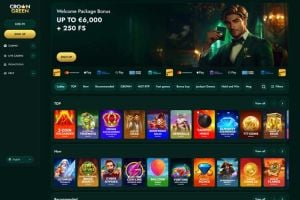
Check the sign-in page before entering anything
Phishing pages are designed to look ordinary. A message may warn that an account will be closed, promise a reward or ask the recipient to confirm identity urgently. Instead of following an unexpected email, text or social-media link, open a new browser window and type the known website address yourself or use a trusted bookmark. Treat shortened links and unusual domains with particular caution.
Before entering login details, inspect the address bar carefully. A padlock only indicates that the connection is encrypted; it does not prove that the website is genuine or that the operator is suitable for a particular user. Look for misspellings, extra words, misleading subdomains and a different domain ending. A convincing logo, familiar colours and a functioning password form can all be copied by an impersonator.
New Zealand’s official cyber-safety guidance provides broader advice on recognising scams, securing accounts and responding to online threats. That general guidance cannot confirm the identity, licensing position or account practices of a particular gambling website. It is best used as a security baseline, alongside checking the live site’s terms and ensuring that any sign-in page is reached through a verified address rather than an unsolicited message.
Keep recovery codes and reset requests under control
The published account material describes a recovery process in which an email address is submitted and a six-digit login or reset code is received. Treat such a code as a temporary password. Do not forward it, read it aloud to a caller or enter it into a second page opened from a message. A genuine support representative should not need the one-time code to prove ownership of an account.
Check the sender and the destination before using a recovery email. Attackers sometimes create urgency by claiming that a withdrawal, bonus or security incident requires immediate action. If a reset message arrives unexpectedly, do not assume that the account has been breached, but do change the password through the verified website and review the mailbox for other suspicious activity. Delete or report fake messages after preserving useful evidence.

Do not create a second account to get around a failed login or delayed recovery. The supplied terms state that one account per person is required and that account sharing is prohibited. Opening another account could create an additional security problem and may conflict with account rules. If recovery fails, use the operator’s stated support route, explain the issue clearly and avoid sending identity documents until the destination and request have been verified.
Use shared devices and mobile connections carefully
A personal device is safer than a public computer, but it still needs routine maintenance. Install operating-system and browser updates, use reputable anti-malware protection and remove extensions that are no longer needed. Malicious browser extensions can read page content or alter addresses. Lock the device with a PIN, password or biometric control so that an unattended session cannot be opened by another person.
On a shared computer, avoid saving the password, allow the browser to store payment details only if the device is genuinely private, and sign out before closing the window. Private browsing can reduce local history but does not make a compromised computer safe. Never use a device if unfamiliar software, pop-ups or a fake security warning appears during sign-in.
Mobile access through a responsive browser does not automatically mean that a native application exists. Avoid installing files offered through advertisements, messages or unofficial download pages. Check the browser address each time, especially when using public Wi-Fi. A trusted mobile network is preferable for account access, but encryption alone cannot protect credentials entered into a fraudulent website. Turn off automatic login on devices that other people can access.
Review activity and respond quickly to warning signs
Make a habit of checking account messages, recent activity and profile details where those controls are available. Warning signs include an unexpected password-reset email, changed contact information, unfamiliar support correspondence or a notification about activity you did not initiate. A missing access attempt may still matter: attackers sometimes change the recovery email first and wait before using the account.
If compromise is suspected, change the account password from a clean device and secure the associated email account immediately. Do not reuse the old password with a minor alteration. If the same credential was used elsewhere, replace it on those services too, beginning with email and financial accounts. Contact the operator through a verified channel and ask what account-protection steps are available, without sending more information than necessary.
Keep records of suspicious messages, dates and transaction notifications, but store them safely. If payment details may have been exposed, contact the relevant bank or payment provider using its official contact information. Account security does not establish whether access is lawful or whether a service is licensed for a New Zealand resident, so separately review jurisdiction restrictions, age requirements, identity checks and the current terms before continuing.
Questions about protecting login details
Should the recovery email use the same password as the account?
No. The email account should have its own unique password and, where available, multi-factor authentication. If both services use the same credential, an attacker who obtains one password may control the mailbox and request resets for the other account. Review recovery addresses regularly and remove any mailbox that you no longer control.
What should I do if a six-digit reset code arrives unexpectedly?
Do not share or enter the code through a message link. Open the verified website independently, change the password if necessary and check the email account for suspicious activity. If the problem continues, contact support through the published channel. Keep the message as evidence, particularly if several codes arrive.
Is a browser-based mobile account automatically secure?
No. A browser can provide a safe connection, but security also depends on the correct website address, an updated device, a private connection and careful handling of passwords. Avoid unofficial app files and public devices where possible. Sign out after use, disable saved credentials on shared phones and confirm current account requirements.
